Consultancy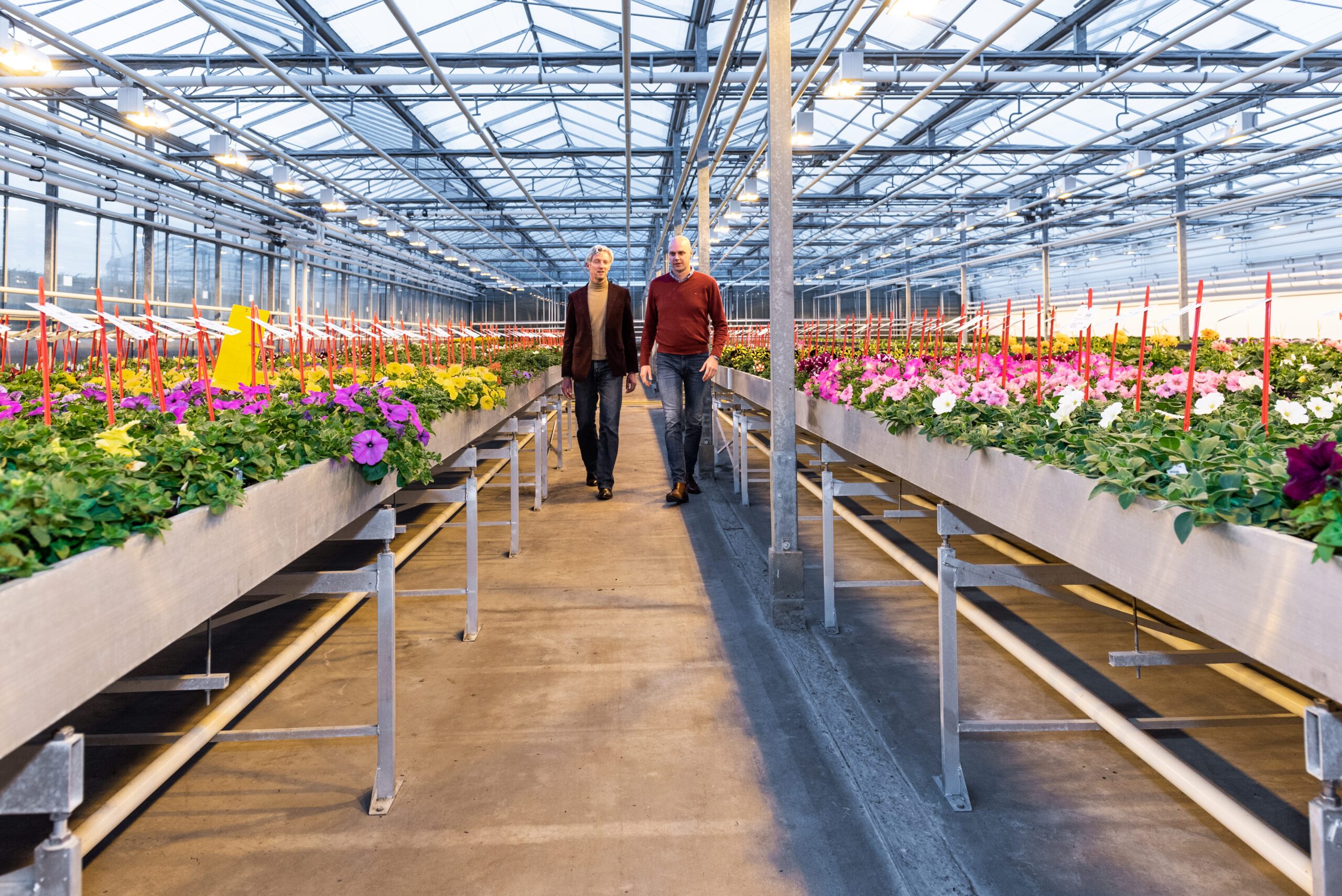

Process-oriented change
Florensis produces high-quality ornamental cuttings and seeds. To safeguard quality and manage risks, modernisation of the quality management system was required. With support from BPM Consult, Florensis developed a process architecture in which ownership is central. By placing responsibilities back with operational teams, engagement increased. A pilot provided insight into processes, risks and ownership. The successful approach was subsequently rolled out across the organisation.
Hans Goudswaard and Edwin Broekhuizen led the programme. Hans, responsible for quality management, placed increasing emphasis on processes. Edwin manages the genetic base of Florensis. Both recognised the importance of a system that works for the shop floor. Through process mapping and broad involvement, processes were made transparent, including risks such as mixing or incorrect labelling. Ownership emerged because teams designed their own processes, without top-down control.
Ownership
The pilot focused on the process ‘Produce and maintain clean starting material’. Through brown paper sessions, processes were mapped from different disciplines. Senior management was closely involved. This process-based approach gave employees clear insight into their own work and the associated risks. Participants experienced a sense of recognition and autonomy. The ‘created-by-owner’ principle ensured that ownership genuinely rested with the teams themselves.
Although the process was carried out carefully, there were also lessons to be learned. The evaluation of the pilot could have been more critical, and embedding the changes proved challenging. Structuring work alongside day-to-day activities was difficult. Florensis encountered a familiar pitfall: much was developed, but little was embedded. It was recognised that change needs to happen in small steps, and that achieving a sustainable cultural shift requires more time and attention than initially anticipated.
Culture
Employees were actively involved in the process, from department heads to temporary workers. During weekly start-up meetings, each process step was explained, including the associated risks and work instructions. This approach created engagement and a sense of ownership. The new way of working made the quality management system more accessible and tangible for many. Instead of being seen as ‘something owned by staff’, it became a shared responsibility. The proximity of the system proved essential for acceptance and use.
The shift from a department-focused to a process-oriented way of working creates tension. For some, taking ownership feels daunting or burdensome. At the same time, it is a necessary step towards the future. New processes can sometimes clash with established ways of working. The BPM maturity model helps Florensis map out its stages of development. Raising awareness, communicating clearly, and having open discussions about responsibility are key to building an organisation in which everyone embraces and applies process thinking.
Embedding
The pilot showed that change needs broader support across the organisation. The approach started on a small scale, involving only a limited number of people. In hindsight, more internal communication and preparation would have been beneficial. Working from a staff department limits visibility of day-to-day operations. A positive outcome was that the new system is fully based on daily practices. This makes it tangible and relevant, rather than something additional. Real-world operations and quality assurance have now been brought together.
Florensis advises other organisations simply to get started. Initial hesitation is understandable, but taking action leads to insight. The collaboration with BPM Consult was experienced as positive: the consultants kept a close eye on progress without directing the content. Knowledge and vision remain within the organisation itself. By asking the right questions and guiding at process level, BPM helped Florensis make quality management truly workable.