Consultancy

Complexity
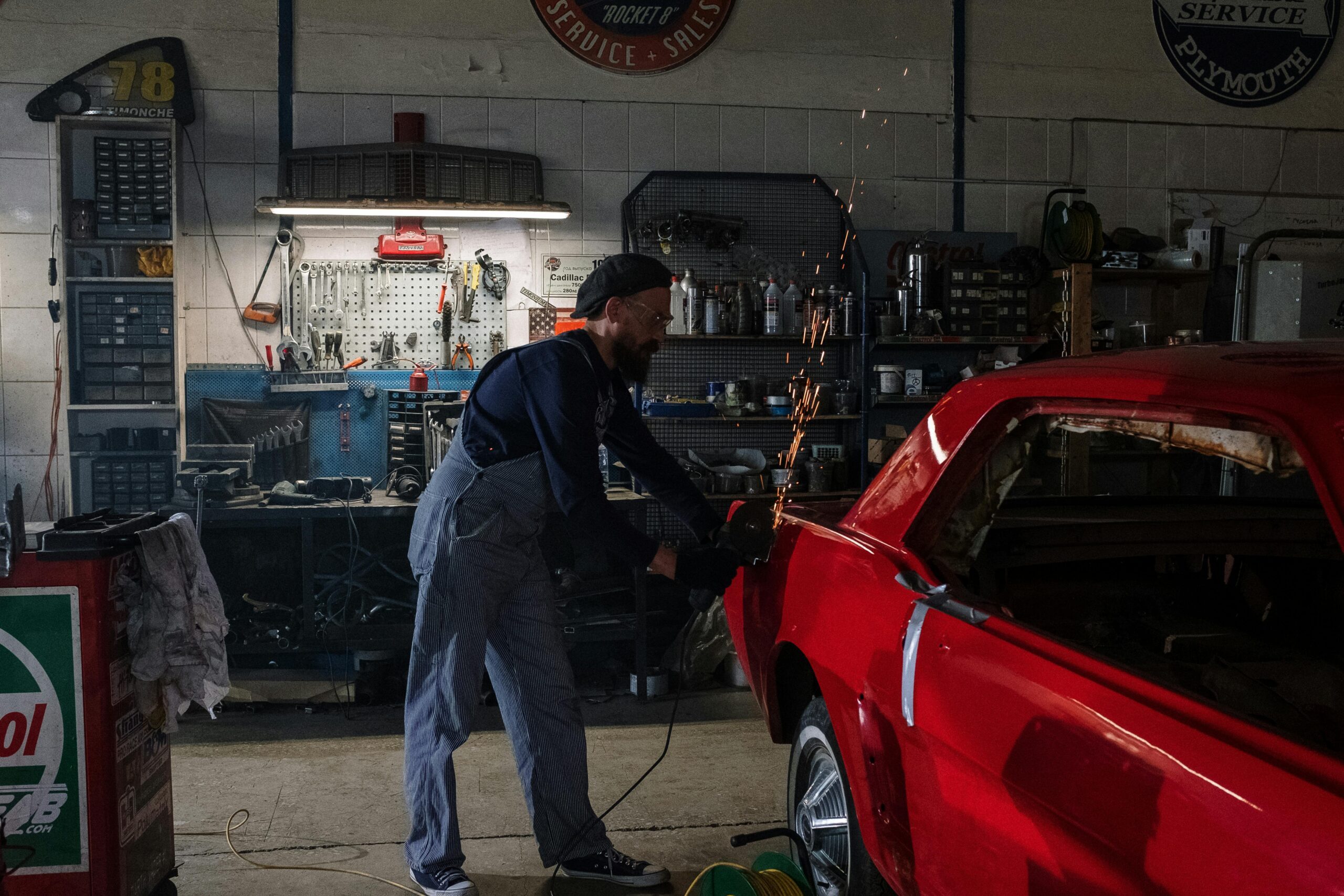
Visser & Smit Hanab Distributie BV provides underground infrastructure for gas, water, electricity and telecoms. In the north-east of the Netherlands, Erik Bosch was responsible, as operations manager, for combined service connections to homes. These connections had to be completed within a specific phase of the construction process, placing high demands on preparation, logistics and execution. The challenge lay in delivering all utilities simultaneously, with minimal disruption to the construction process and maximum coordination between parties.
The dynamic nature of the work was driven by the many stakeholders involved: residents, builders, project developers and utility companies. Because all connections had to be installed in one go, joint planning was crucial. Even the smallest error in the process could have major consequences. Despite the team’s efforts, results were lacking. The organisation had no real control over the situation, leading to dissatisfaction and a high level of outstanding work.
Process insight
BPM Consult was engaged to carry out a thorough analysis. Interviews with fifty employees revealed that only three percent of activities were completed correctly first time. Errors carried through the entire process, leading to rework and inefficiency. Work rhythms were also misaligned, tasks were unclear, and there was a culture of repeatedly re-entering data. These insights formed the basis for improvement.
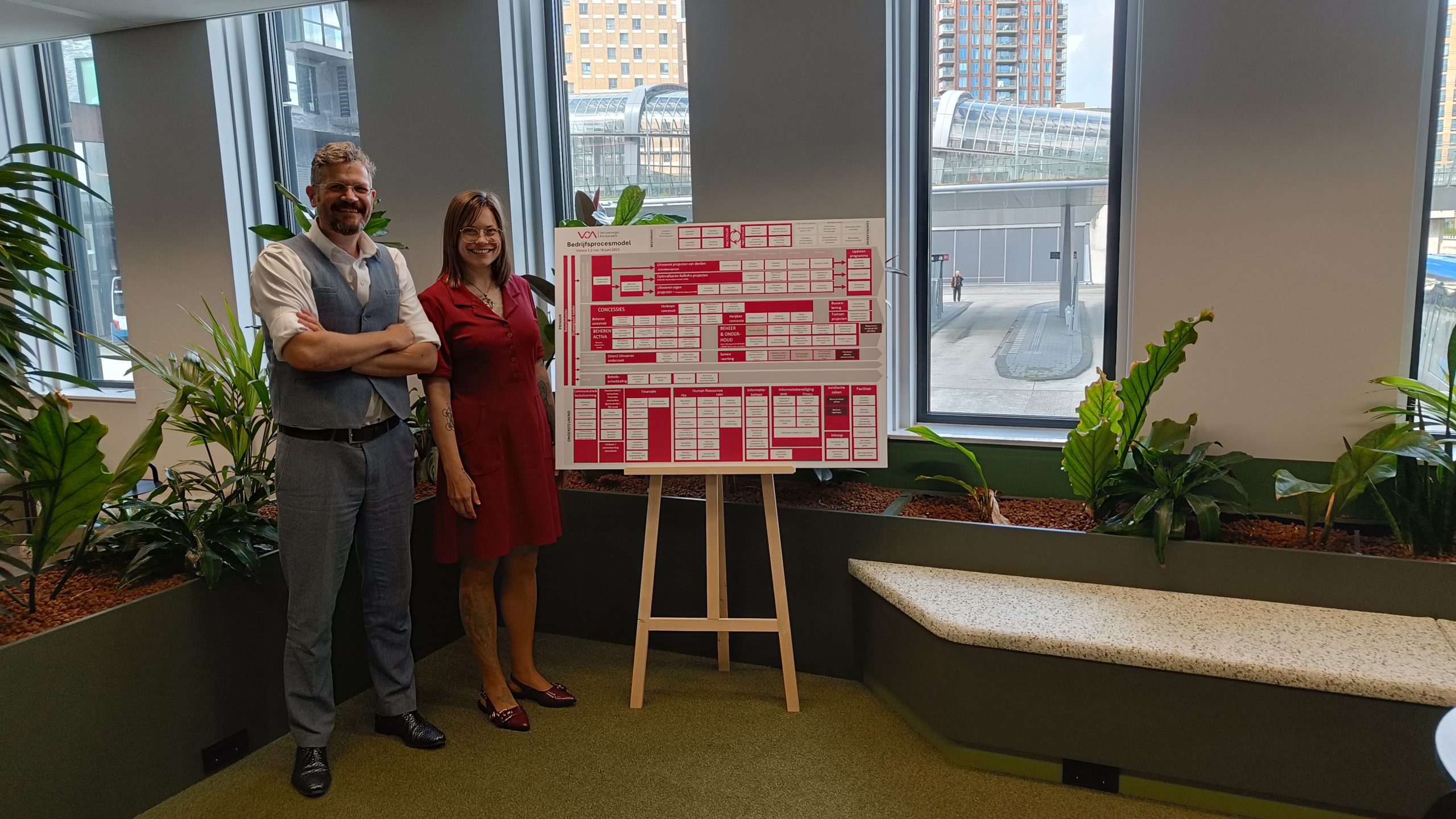
The team began by mapping the entire process. First, the overall flow was outlined, followed by the details. Planners, site managers and administrative staff worked together to identify who delivered and received what. There was a growing awareness that incomplete handovers created problems for others. Step by step, a shared sense of responsibility emerged, along with a clear process and greater control over execution and collaboration.

Control
Erik Bosch’s role shifted to that of a facilitator. He encouraged employees to share their information needs and ways of working. At the same time, he asked critical questions about the usefulness and simplicity of forms and software. By jointly searching for simplification, a sense of ownership emerged. Not everyone was able to keep up immediately, but through collaborative development, support, clarity and a shared understanding of the desired work process and its execution were created.
Key principles of the new process included working with a base map and capturing information at the front end. Information was entered and shared directly, preventing duplication. ICT had to align with the needs of the team. By actively providing feedback on software solutions, the system truly became their own. The flow of information determined the design and use of supporting systems.
Results
The team gained control over the entire process, from order intake to completion. The status of work became transparent, information was readily available, and customers noticed the difference: “You always know exactly what’s going on.” Employees experienced greater job satisfaction thanks to clarity and the timely availability of materials. The collaboration with BPM Consult was regarded by all those involved as pleasant, effective and supportive.
Erik Bosch particularly valued BPM Consult’s role as a critical sparring partner. For a future project, he would again define the main structure together, but would prefer to work out the details with the team himself. The experience has shown him that joint process development is essential for lasting improvement. The project not only delivered results, but also created a sustainable structure that is future-proof and widely supported by the team.