Consultancy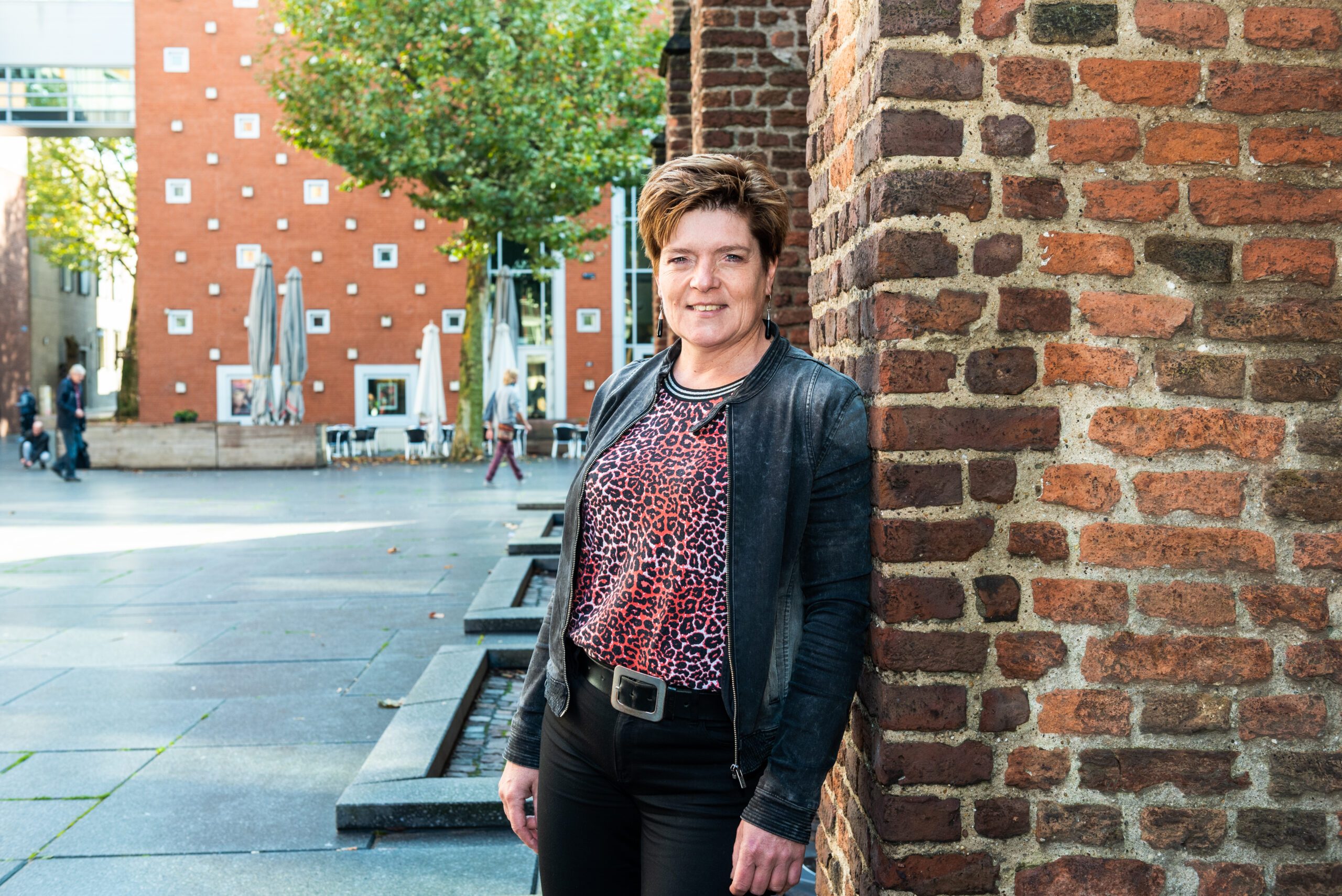

Background
The Municipality of Nijmegen aimed to structurally improve its data management. As digitalisation increased, the volume of data grew, but coherence was lacking. The ambition was to integrate core registries and make data usable for both internal and external users. Based on an existing vision for data management, a Proof of Concept was launched to select a suitable tool and lay the foundations for a coherent system.
The selected tool required complex integrations and broad involvement across the municipality. The PoC phase, intended as an exploration, extended to nearly a year. Technical and organisational challenges slowed progress. Internal differences in expectations and external dependencies, such as the regional ICT organisation, made it difficult to move forward. The focus on a single tool proved too limiting and led to internal doubts about the next steps.
Change of course
During the PoC phase, BPM Consult provided support in structuring key questions, aligning with the supplier and developing a scoring model. This approach offered a solid basis for objectively assessing the tool. Despite these efforts, the selected solution proved to be insufficiently suitable. While the PoC delivered valuable insights, it also led to disappointment: standard solutions still required customisation, increasing both costs and complexity.
After ending the collaboration with the supplier, the municipality decided to continue independently. The focus shifted towards practical collaboration between departments such as BAG, WOZ and BGT. BPM Consult was brought back in to support the next phase. The knowledge gained during the PoC provided a flying start. Working groups are now independently developing integrations and aligning processes, with greater ownership and engagement across the organisation.
Strengthening
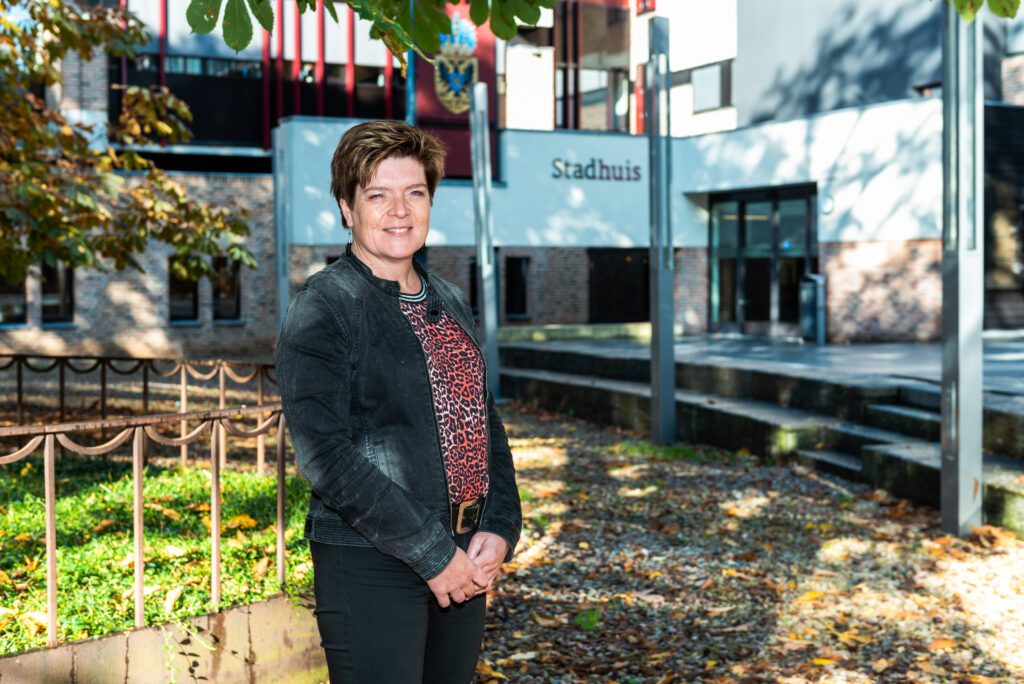
Although the tool was not ultimately purchased, the process yielded valuable insights. The municipality discovered that collaboration between departments is crucial for effective data management. The PoC also revealed where duplicate work was taking place. Agethe Derkse: “Users now want to get started with integrations themselves. They see the added value.” The experience gained provides a strong foundation for the next phase.
BPM Consult’s approach is valued for its engagement and process-oriented support. Their visual and efficient way of working inspires the municipality to strengthen these capabilities internally. The collaboration is experienced as equal and constructive. Derkse: “Not a group of know-it-alls coming in to show off a trick, but working together with shared responsibility.” This attitude contributes to strong support and motivation within the organisation.
Further development
The municipality is working towards a coherent property register by 2025. The aim is that, with a single click on a property, all linked information becomes visible. This requires close alignment between different registries. Legislation still poses a barrier, but the sense of urgency is increasing. Citizens have growing access to data and are quicker to identify errors. This calls for better integration and higher data quality to prevent objections and appeals.
The municipality is now opting for smaller, content-driven sub-projects that deliver immediate value. The original project group has been disbanded. Working groups deliver results and assess these against the bigger picture. Derkse: “I would choose a Proof of Concept again, but not as the sole focus.” The lessons learned from the process are now being used to make data management more practical and workable. The approach is more realistic, with greater attention to support within the organisation and practical feasibility.