Consultancy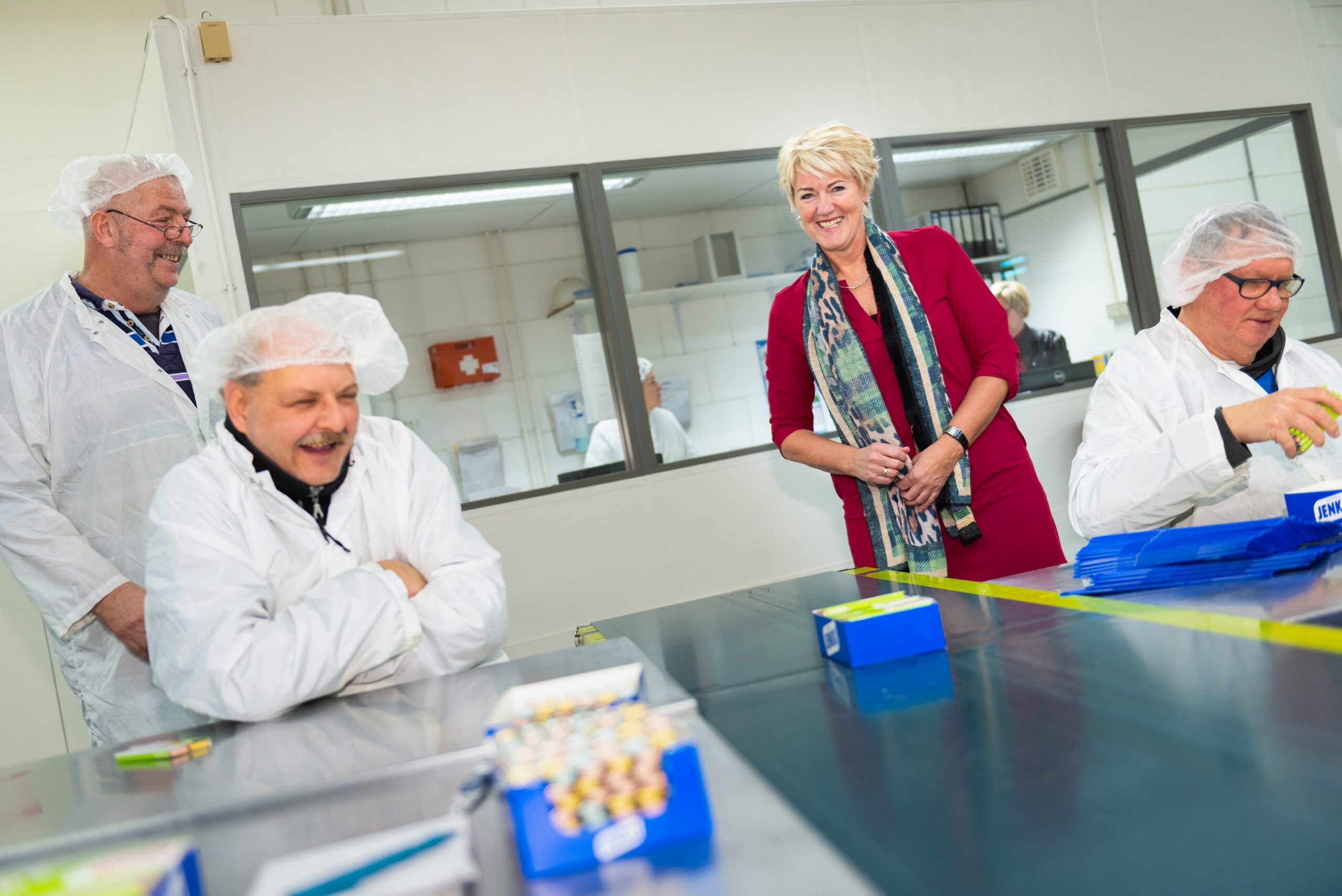

Process awareness
During a Process Management training, Empatec developed the ambition to work in a more process-oriented way. In addition to complying with the new ISO 9001 standard, the organisation also wanted to better structure its internal processes. The training marked the starting point for a programme with BPM Consult, aimed at developing an organisation-wide process architecture. Shop floor employees were actively involved to build support and ensure that processes aligned more closely with day-to-day practice.
Empatec needed greater insight into responsibilities and process flows within its six business units. The existing way of working lacked transparency and support. Quality was largely seen as the responsibility of the quality coordinator, whereas the organisation wanted employees themselves to take ownership of their processes and improvements. Strengthening ownership and engagement was therefore a key objective of the desired change.
Ownership
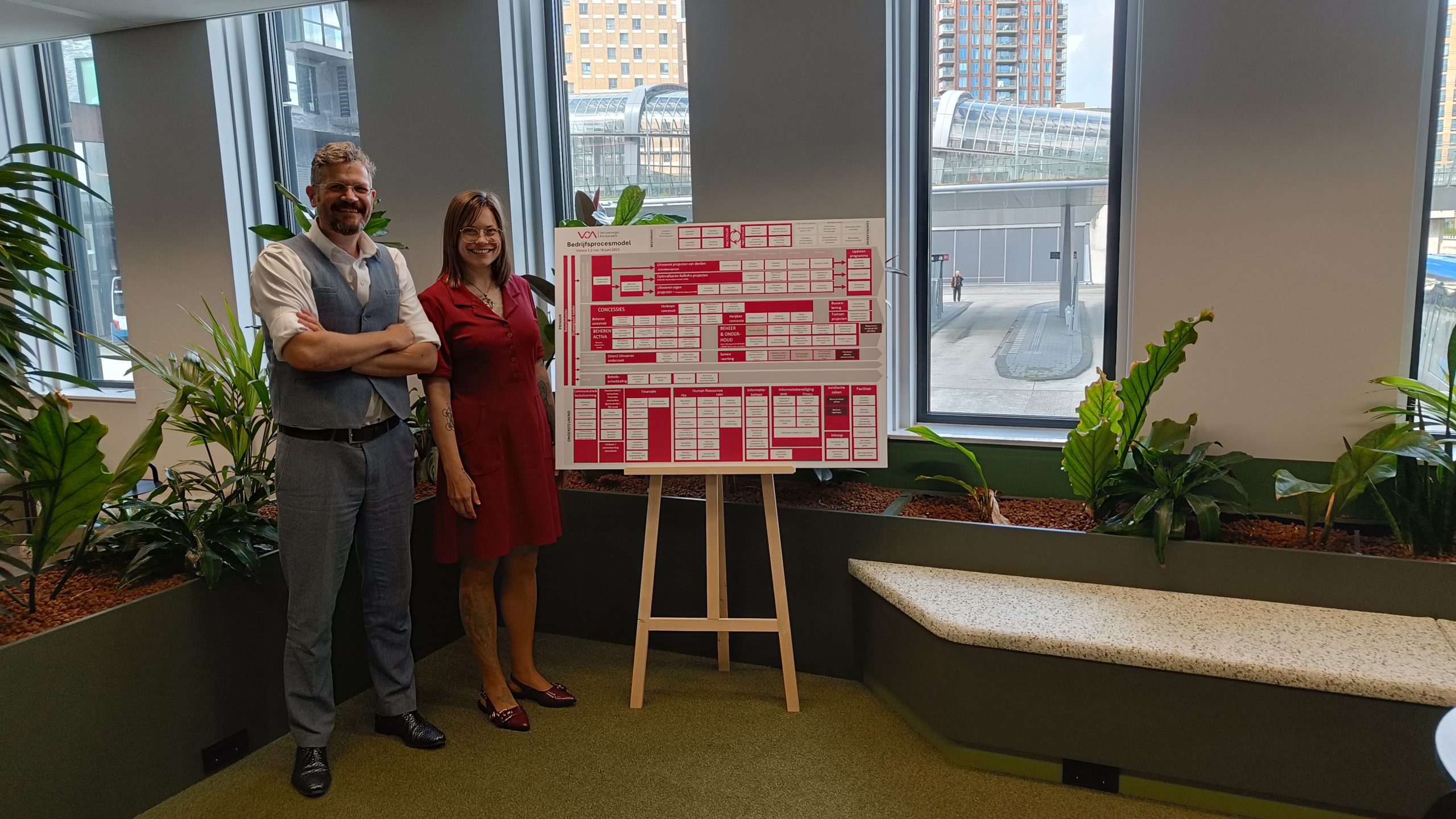
Together with all business units, Empatec developed a company-wide process model. The processes of ISO-certified business units were then mapped out visually in a single day, including feedback and areas for improvement. Documents from the old system were critically reviewed and linked to the new processes. Employees learned to edit Visio diagrams themselves, which means that ownership now lies with the business units. This has increased ownership and makes it possible to keep processes up to date and continuously improve them.
The process architecture was integrated into the quality management system. Documents are digitally linked to process activities and accessible to everyone. This approach ensured that employees became the owners of their own processes. The increased ownership and transparency contributed to a strong quality culture. The auditor was impressed and described Empatec’s setup as exceptionally professional: “This feels like a high-tech company,” was the telling remark.
Impact
Empatec has retained its ISO 9001 certification and now has a coherent process architecture in place. The processes are visible on the shop floor and are actively used. Employees work with action lists to continuously implement improvements. One manager even described the concept of Horizontal Organising as a “utopian moment”. The monthly self-assessment helps business units to track their progress and steer targeted professionalisation and process improvement.
Non-certified business units are now also showing interest in process design. Complaints often arise from not following processes, which highlights both the importance and the quality of the documented procedures. This approach contributes to better products and a more pleasant working environment. The Service department’s processes have now also been mapped, and the Greenhouse unit is next in line for process visualisation and improvement.
Deepening
Empatec now also aims to address its supporting processes and link risks to specific process steps. This should contribute to a safe working environment and high product quality. At the same time, the organisation is working on clear communication towards the shop floor, ensuring that processes are understandable and accessible for operational staff. In this way, process-oriented working is being further deepened and broadened across all layers of the organisation.
Reino de Boer looks back on the project with satisfaction. The process design sessions not only provided insight, but also generated energy. By involving everyone, clarity was created around roles and responsibilities. BPM Consult facilitated the sessions in a way that also resonated with employees who usually work outdoors. The next step is to visualise processes for employees with limited literacy, for example through videos, to further increase accessibility.