Consultancy

Growth
Since its founding in 2006, Euro Tank Terminal (eTT), part of VTTI, has quadrupled its storage capacity. Terminal manager Clement Saaltink reflects on a period of rapid growth during which eTT developed into a mature organisation. To manage this development effectively, a Business Process Redesign project was initiated in collaboration with BPM Consult, focusing on structure, safety and customer orientation.
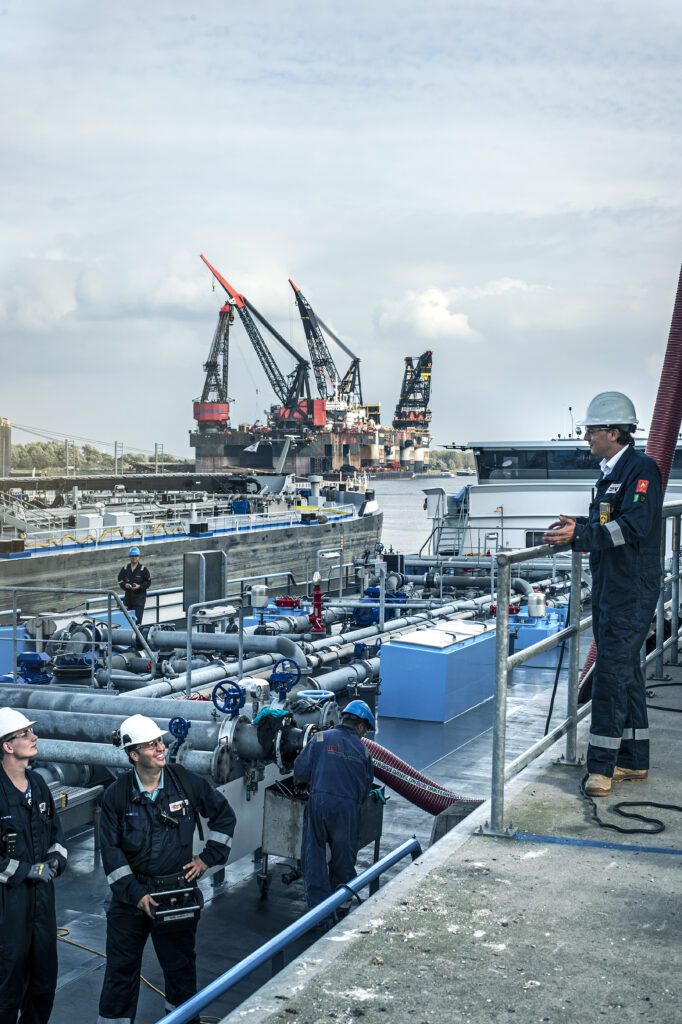
eTT operates as a storage and transshipment terminal for oil products and aims to be the ‘favourite gateway to the energy market’. The terminal is located in a strategic position with access to multiple transport modalities. The strength of eTT lies not only in its infrastructure, but above all in its people. The organisation seeks employees with an entrepreneurial mindset and a positive attitude, in line with the DNA of VTTI.
Cultural change
Due to its rapid expansion, eTT’s internal structure also evolved. The focus shifted from project execution to a service-oriented approach towards internal customers. Employees were given more input in projects and processes. This shift led to greater engagement and a more forward-looking mindset. The organisation grew from a project-based set-up into a mature terminal operation, with an emphasis on collaboration, ownership and continuous improvement of processes and services.
The trigger for working with BPM Consult was a series of customer complaints and incidents, including unwanted product mixing. Analysis showed that process knowledge was not sufficiently embedded within the organisation. In a continuous operation with five shifts, it is essential that everyone works in the same way. BPM Consult was brought in to introduce structure, harmonise processes and ensure that knowledge was documented consistently and made accessible to all employees involved.
Structure
The project began with brown paper sessions to gain insight into existing ways of working. Despite the seemingly simple process of loading and unloading, a great deal of variation emerged. The initial focus was on inland vessels, followed by seagoing ships, trains and trucks. At the same time, projects were launched to position the Operations department more centrally within the organisation, as it is also responsible for operational continuity outside office hours.
The approach started with creating support and buy-in. Employees were given insight into the importance of structure, especially in busy or exceptional situations. By introducing recognisable work processes, confidence grew. The visible improvements and the willingness to listen generated enthusiasm. People saw that the changes genuinely made their work easier and safer, which led to greater engagement and a willingness to actively contribute to further improvements.
Collaboration
During the sessions, it became clear that departments had insufficient insight into how others worked. This led to misunderstandings, particularly in common processes such as handling 3,500 inland vessels per year. By implementing quick wins immediately and addressing larger improvements in phases, support was created. Ultimately, it was decided to improve processes per modality, starting with barges. This approach proved more effective than tackling everything at once.
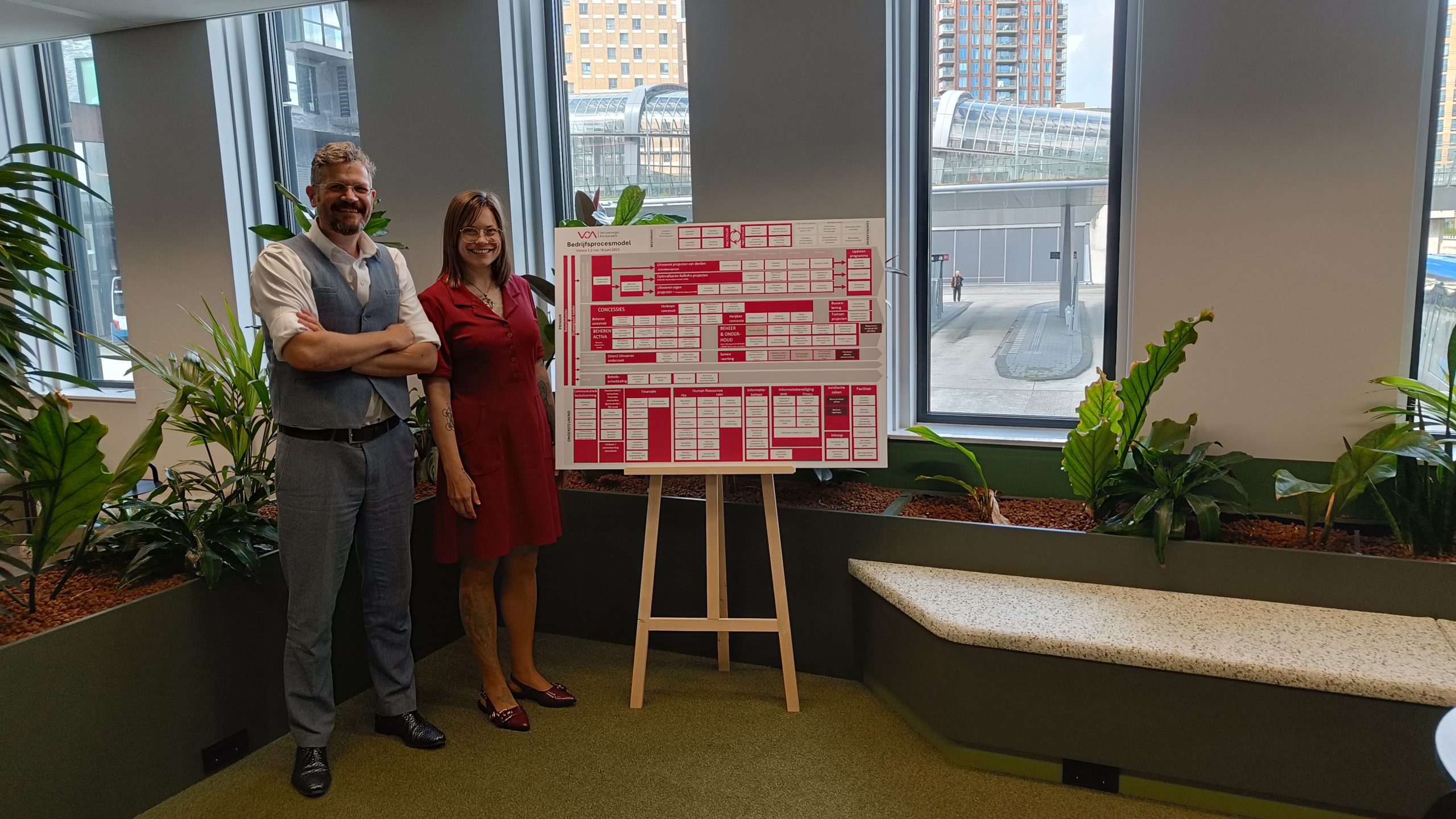
The process diagrams served as working agreements. They not only captured the sequence of activities, but also identified where work instructions and procedures were needed. The project also functioned as a team-building exercise. Many employees were new and developed together in their roles. The Business Process Redesign project was even described as the ‘camp outing’ of eTT, with a tangible and shared result that strengthened collaboration and ownership.
Embedding
For the barge process, more than 280 documents were collected, reviewed and updated. These were compiled into a physical binder, which employees took home with them. This approach fostered a sense of ownership and recognition. Later, the documentation was made available digitally through a single system. Working with one source of information became an important driver for the further professionalisation of the organisation.
eTT’s ideal state is one in which employees know where they are in the process, why they are performing certain tasks, and how these can be improved. Small improvements, such as saving five minutes per barge, create capacity for additional throughput. As a result, customers choose eTT because of the quality of its service rather than the lowest price.