Consultancy

Digital record
RDOG Hollands Midden wanted to modernise its youth healthcare services. The existing way of working with paper files no longer met the demands of the present day. There was a need for a system that aligned better with the digital world of parents and children, while also enabling professionals to work more efficiently. The organisation aimed to respond to social changes and technological developments in order to improve the quality of care.
The transition to a digital record was necessary but complex. RDOG had to take into account a wide range of user needs, existing processes and the requirement for rapid implementation. At the same time, it was essential to maintain and enhance the quality of care. The challenge lay in redesigning processes and creating support among staff, while ensuring that services to families continued without interruption. This called for a careful and well-managed approach.
Implementation
BPM Consult supported RDOG in redesigning the work processes surrounding the new digital record. Together with the project team, the focus was on the optimal configuration of the system, with functionality and ease of use taking centre stage. Employees were actively involved in the design, ensuring that the system aligned well with day-to-day practice. This participatory approach created support and enabled a smooth transition to the new way of working.
The implementation proceeded at a brisk pace. Within a short period of time, the digital record was rolled out to all staff. Training and support ensured that everyone quickly became familiar with the new system. By working with self-managing teams, RDOG was able to respond flexibly to questions and issues during the rollout. The collaboration between BPM Consult and RDOG was intensive, with a clear focus on achieving results.
Results
The digital record has been successfully implemented and is now widely used within youth healthcare services. Staff experience greater oversight and are able to work more efficiently. Parents receive better support and gain quicker insight into the care provided for their children. The transition has resulted in greater control for families and a closer alignment with their needs. The new way of working contributes to a higher quality of service delivery and improved collaboration.
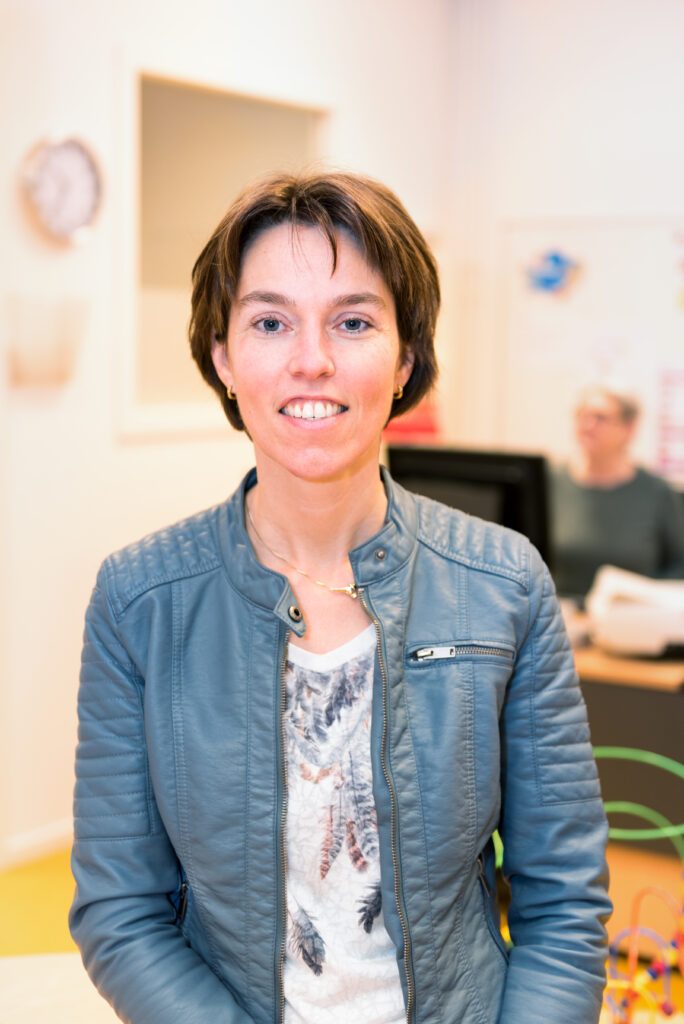
Jolanda Gijzenberg, who works at RDOG, comments: “The new record gives us decisiveness and insight. We can now manage more effectively using data and respond more quickly in care.” The change has not only led to improved processes, but also to a cultural shift within teams. Staff feel a stronger sense of responsibility, work together more effectively and experience greater ownership of their work and results.
Self-organisation
The introduction of the digital record has strengthened the move towards self-managing teams. Teams are given more responsibility and decide for themselves where to place their focus. This leads to greater engagement and flexibility. RDOG sees that this way of working results in better care outcomes and higher employee satisfaction. The organisation continues to encourage and further develop this approach across all areas of youth healthcare.
The successful implementation of the digital record is an example of how technological innovation can go hand in hand with process improvement and cultural change. RDOG continues to invest in data-driven and process-oriented working, with the aim of continuously improving care for children and families. The collaboration with BPM Consult has played an important role in this and forms the foundation for further innovation.